This covers Science, Technology, Botany, Zoology, History, Geography to Art and Music.
Simple Science experiments such as sink and float, magnetic and non-magnetic objects are prepared and placed on the shelf for children to explore.
Children learn about plants and animals, why they are important and how to care for them.
The aim of History here is to give children a sense of the passage of time, the structure of a day, names of the days of the week and months of the year, the seasons, and how to work with simple timelines. They also learn the stories of famous people from the past.
For Geography children are given concrete experiences of the structure of the earth . First, we create a bigger picture for the children, then move gradually to the details: names of countries, rivers and mountains, and touch on the cultures of other countries. The framework is always our relationship to the earth: how we meet our basic needs (shelter, food, clothing, transportation, defense, ornamentation, and self-expression) under varying geographic conditions.
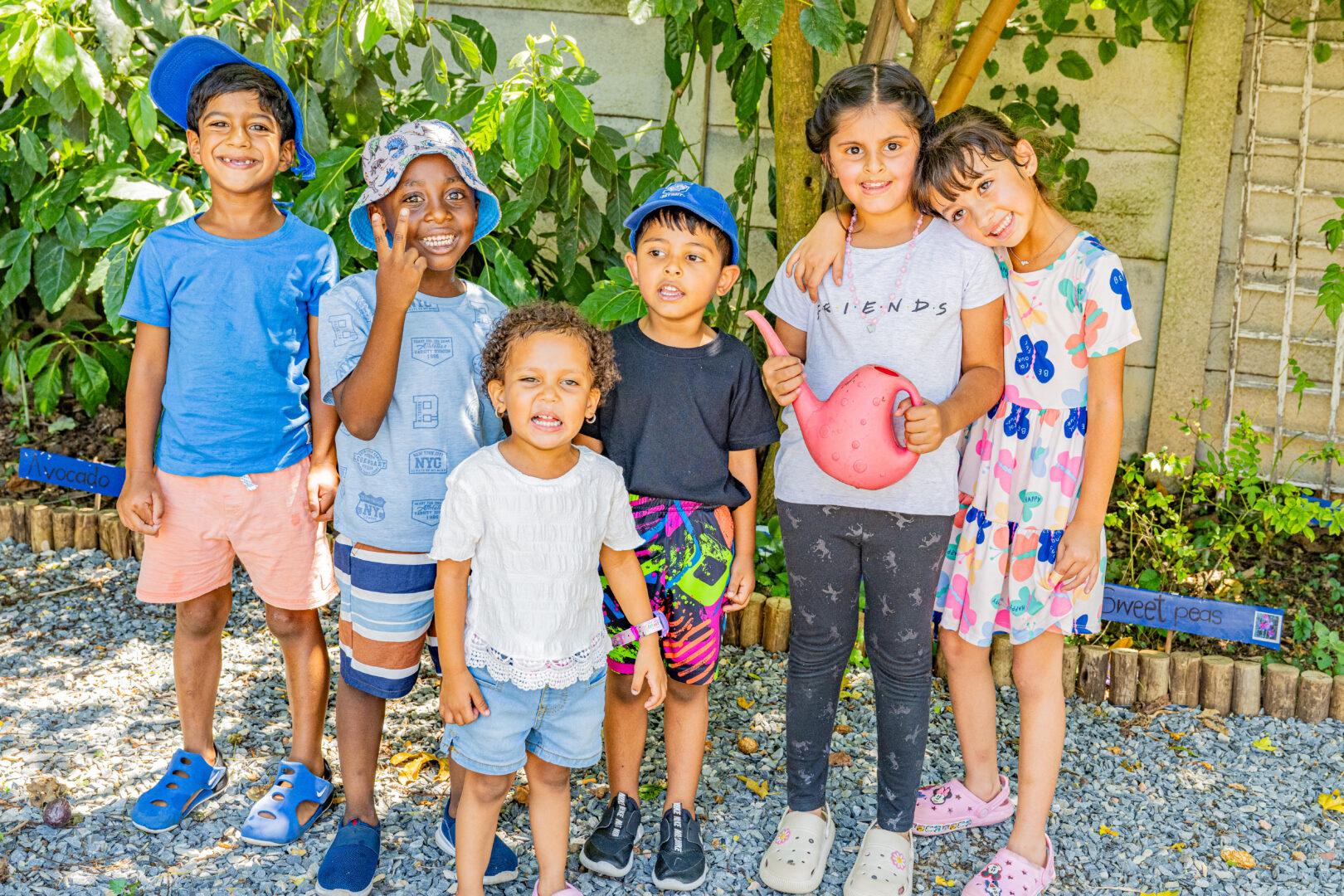
We introduce children to various cultures from around the world, increasing their awareness and understanding of the beautiful diversity of people, animals and places to be found on our planet.
The study of Music intertwines with other areas of the curriculum. These lessons teach the children the basic skills used in controlling a brush, cleaning up, working on paper, using a coloured pencil, simple weaving, and so on. Students are encouraged to express their feelings, experiences, and ideas through Art and Music.